


Most homeowners only notice wasps when they start seeing increased activity around the garden, roofline, or outdoor bins. What many people don’t realise is that by the time wasps are visible, the nest has already been developing for weeks; or even months. Understanding the full life cycle of a wasp nest can help prevent infestations before they grow into serious safety concerns. In Melbourne’s climate, colonies can expand quickly, making early awareness essential. When it comes to protecting your home, recognising the warning signs early can reduce the need for urgent wasp nest removal in Melbourne and minimise risks to your family and pets.
The Beginning: When the Queen Emerges
Every wasp colony begins with a single queen. After surviving the winter in sheltered spaces such as roof cavities, wood piles, or wall crevices, the queen emerges in early spring when temperatures begin to rise.
At this stage, she is alone and vulnerable. Her primary task is to find a safe nesting site and begin building. She chews wood fibres and mixes them with saliva to create the familiar papery material used to construct the first small cells of the nest.
Inside these early cells, she lays eggs that will hatch into worker wasps. During this early phase, the nest is small; often no bigger than a golf ball; and easily overlooked. Many homeowners in areas like Armadale and Flemington miss this critical window where removal would be simplest.
The Worker Phase: Rapid Growth and Expansion
Once the first generation of workers emerges, the queen shifts her role entirely to egg-laying. The workers take over nest building, food gathering, and colony defence.
This is when nest growth accelerates dramatically. A nest that began the size of a small sphere can expand to the size of a basketball within weeks. Workers forage aggressively for protein and sugary foods, which is why wasp sightings around outdoor dining areas increase during late spring and summer.
In suburbs such as Collingwood and St Kilda, where outdoor living is part of everyday life, this phase often leads to more frequent human encounters. Increased buzzing activity near bins, decks, or roof eaves is usually a sign that the colony has entered its high-growth stage.
Peak Season: When the Colony Is at Its Strongest
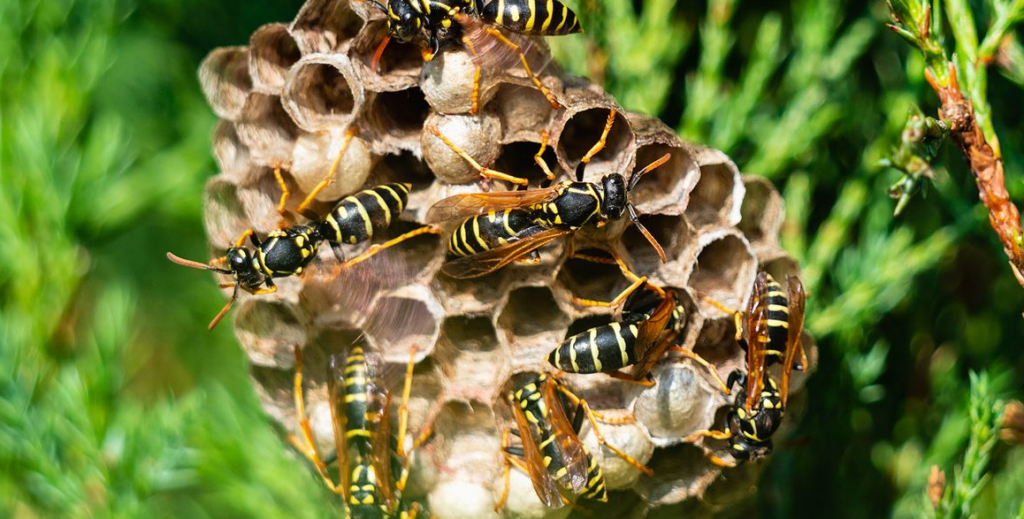
By late summer and early autumn, the wasp nest reaches its peak population. At this stage, a colony can contain hundreds or even thousands of wasps.
The nest structure becomes larger, more complex, and highly defended. Workers are more aggressive, especially if they sense vibrations from lawnmowers, renovations, or nearby movement.
During peak season, colonies also begin producing new queens and males. This is a critical turning point in the life cycle. These reproductive wasps leave the nest to mate, while the original colony continues to expand.
Homeowners in coastal and suburban areas like Frankston often notice heightened wasp aggression during this period. Attempting DIY removal at this stage is particularly dangerous due to the large number of defensive workers present.
The Decline: What Happens in Winter
As temperatures drop, food sources become scarce. The original queen and most workers eventually die off. Only newly fertilised queens survive, seeking shelter to overwinter and begin the cycle again the following spring.
This seasonal decline often gives homeowners a false sense of security. The visible activity disappears, and the old nest appears abandoned.
However, while most wasp species do not reuse old nests, the location may remain attractive for future queens. Cracks in roofing, sheltered pergolas, or wall cavities continue to provide ideal nesting sites year after year.
Understanding this winter phase is essential for prevention. Removing old nests and sealing potential entry points during colder months reduces the chances of a repeat infestation.
Why Most Homeowners Miss the Early Warning Signs
One of the biggest reasons wasp nests become large problems is simple: early signs are subtle.
A single wasp flying near the roofline may not seem concerning. A small papery structure tucked under an eave can easily go unnoticed. By the time regular activity is visible, the colony is already well established.
Many residents only realise there’s an issue when:
- Wasps begin entering roof spaces
- Increased activity appears near outdoor seating areas
- Buzzing sounds are heard inside walls
- A visible nest becomes large and obvious
Early detection makes management significantly easier. Waiting until the colony reaches peak size often means removal becomes more complex and hazardous.
The Risks of Ignoring the Life Cycle
Failing to understand the wasp nest life cycle can lead to costly consequences. Larger nests mean more aggressive workers and a greater risk of multiple stings.
For families with children or pets, this presents serious safety concerns. Individuals with allergies face even greater danger, as a single sting can trigger severe reactions.
Ignoring a nest also increases the likelihood of structural complications. Wasps nesting inside wall cavities or roof voids may chew materials to expand their space. Over time, this can lead to insulation damage and contamination from nesting debris.
By the time emergency action is required, professional wasp nest removal in Melbourne becomes not just a convenience; but a necessity for safety.
Prevention: Staying Ahead of the Cycle
The best way to manage wasps is to interrupt their life cycle early. Spring inspections of rooflines, sheds, pergolas, and garden structures can identify new nests before they grow.
Homeowners can reduce nesting opportunities by:
- Sealing cracks and gaps around eaves and roofing
- Installing insect screens
- Keeping rubbish bins tightly sealed
- Removing leftover food and sugary spills outdoors
- Clearing timber piles and garden debris
Being proactive in early spring is far easier than dealing with a fully established colony in late summer.
Understanding the journey from queen to full colony helps homeowners recognise why early action matters. A small spring nest can quickly become a large and aggressive problem by late summer if left unchecked. If you’ve noticed wasp activity or suspect a hidden nest around your property, it’s always safer to seek professional advice rather than risk disturbing the colony.
For expert guidance and safe solutions across Armadale, Flemington, Collingwood, St Kilda and Frankston contact Wasps Control Melbourne on 03 9021 3738. Early intervention can protect your home, your family, and your peace of mind before the colony grows out of control.