


Wasp Control Eden Park
Why Wasp Infestations are Prevalent in Eden Park?
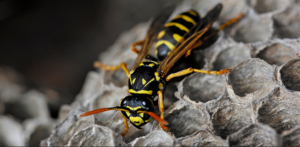
- Retaining Walls and Rockeries: Perfect for European Wasps looking for underground cavities.
- Extensive Outbuildings: Sheds, stables, and carports provide sheltered spots for paper wasps.
- Native Flora: Banksias and Gums provide the raw materials (wood pulp) and food sources (nectar and insects) wasps need to thrive.
Types of Wasp Species Found in Eden Park
European Wasp: These highly territorial and aggressive wasps often nest in ground-level holes or under raised decking common to Eden Park’s spacious outdoor properties. They act as scavengers attracted to human food and are capable of stinging repeatedly, making them a significant safety hazard for local families and pets.
Yellow Jackets: Fiercely protective of their colony, yellow jackets are often found nesting near garden beds or compost piles in semi-rural areas like Eden Park. They typically build their nests just below the soil surface, which frequently leads to dangerous encounters during routine activities like lawn mowing or weeding.
Common Wasp: Preferring tree lines and high overhangs, these wasps are frequently seen constructing papery nests around backyard sheds, fencing, and roof eaves. They build intricate structures from chewed wood pulp and require specialised professional treatment to ensure the entire colony is safely and effectively eradicated.
Native Paper Wasp: Recognisable by their small, “umbrella-shaped” nests with exposed cells, these wasps often settle in ornamental bushes or the corners of verandahs. While they are less aggressive than other species, they will defend their brood with painful stings if a resident accidentally brushes against their nesting site.
Sand Wasps: Favouring the sandy soil of garden paths and driveways, these solitary wasps are peaceful pollinators that generally stay clear of human interaction. They do not form large swarms and are considered beneficial to the Eden Park ecosystem because they actively hunt flies and other common garden pests.
Mud Nesting Wasps: Solitary and docile by nature, these wasps build distinctive mud tubes on house walls, brickwork, or fences, often within sheltered carports. They pose a minimal safety risk to humans, although their hardened earthen structures can be unsightly and may require professional removal to clean.
Tree Brown Paper Wasp: Typically found in eucalyptus or native trees, they build wide, layered nests that are well-camouflaged against the texture of Australian bark. They generally remain calm unless the specific branch they inhabit is directly disturbed during tree pruning or major landscaping projects.
White-Faced Brown Paper Wasp: Easily identified by their pale facial markings, these wasps prefer building nests in man-made structures such as carports and garden pergolas. Because they often build at eye level in high-traffic outdoor living areas, they are a frequent cause of accidental stings for unsuspecting residents.
Our Specialised Wasp Control Process
- Professional Inspection
- Species Identification and Risk Assessment
- Targeted, Eco-Conscious Treatment
- Safe Nest Removal
- Preventative Consulting
Wasp and Wasp Nest Removal Price
The Risks of DIY Wasp Removal
- Provocation: Wasps release “alarm pheromones” when they feel threatened. A half-hearted DIY attempt can result in hundreds of wasps attacking at once.
- Inaccessibility: Most domestic sprays don’t have the “reach” or the concentration to penetrate deep into a wall cavity or a ground nest.
- Personal Safety: Falling off a ladder while being swarmed by wasps is a leading cause of pest-related injuries in Australia.
- Incomplete Eradication: If you don’t kill the queen, the problem will return within days, often with the wasps being even more agitated than before.