


Wasp Removal & Wasp Control in Berwick
A few wasps passing through a garden may not indicate a problem, but repeated activity around one section of a property deserves closer attention. When wasps continually return to the same eave, roof edge, wall opening, fence line or garden structure, an active colony may be established nearby.
Wasps Control Melbourne provides professional wasp removal in Berwick for homes, rental properties, workplaces and other premises experiencing persistent wasp activity. Rather than focusing only on the insects that are visible, our service is centred on identifying where the colony is located and determining the most suitable way to treat it.
Professional wasp control in Berwick can be particularly important when a nest is close to areas used by residents, visitors, staff, children or pets. Disturbing an active colony without understanding its location can quickly increase the likelihood of defensive behaviour and multiple stings.
Recognising a Developing Wasp Problem
Wasp activity often becomes noticeable before the nest itself is found.
One of the most useful signs is repeated movement along the same flight path. Wasps may disappear beneath roofing, through a small wall gap, behind an exterior fitting, into vegetation or towards a sheltered section of a shed or garage. A visible nest is not necessary for an infestation to be present.
Other signs can include:
- Increasing numbers of wasps around one part of the property
- Insects regularly entering and leaving the same opening
- Wasps gathering around outdoor food, bins or drink areas
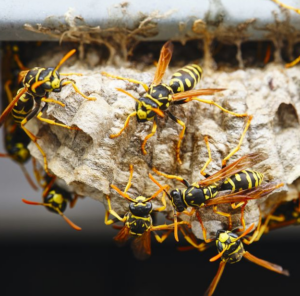
- A paper-like nest attached beneath a protected surface
- Activity around trees, shrubs, fences or ground-level openings
Residents should avoid standing directly in the insects’ flight path while trying to locate a wasp nest. Observing the general direction from a distance is usually enough to provide useful information for an inspection.
Nesting Sites Around Homes and Outdoor Areas
Berwick properties can provide many sheltered spaces where wasps may attempt to establish nests. Some locations are obvious, while others allow a colony to remain unnoticed until insect numbers increase.
Potential nesting positions include eaves, roof spaces, wall cavities, garden sheds, garages, fence structures, trees and protected outdoor areas. Wasps may also use small openings around exterior building features to reach spaces that cannot be seen from outside.
Different species do not necessarily choose the same environments. Mud wasps, for example, construct characteristic mud-based nesting structures, while social wasp species may establish colonies in cavities or other protected positions.
This difference matters because professional wasp nest removal should be based on what is actually present rather than assuming every nest can be handled in the same way.
Species Identification Supports Better Wasp Management
Correct identification helps guide the treatment process.
The European wasp is one species that requires particular care because colonies can be concealed and individual wasps may react defensively if the nesting area is threatened. Other wasps may create exposed nests where the nest structure is easier to identify.
People also sometimes use terms such as wasp hornet when describing large or unfamiliar stinging insects. Visual appearance alone can be misleading, particularly when insects are moving quickly or the observer does not want to approach them.
A professional inspection allows the insect, nesting behaviour and entry point to be considered together. This provides a stronger basis for selecting an appropriate wasp pest control method.
A Targeted Approach to Wasp Nest Treatment
Effective treatment begins at the source of the activity.
The first stage is locating the nesting area and assessing whether it is exposed, concealed or difficult to access. The level of wasp traffic and the position of the nest are also considered before treatment proceeds.
The goal of wasp nest treatment is to address the active colony rather than simply reducing the number of insects seen around the property. When a nest is accessible and physical removal is appropriate, wasp nest disposal may follow once the activity has been controlled.
Where the colony is inside a roof space, wall cavity or another enclosed area, the approach can be different. Opening building materials or inserting objects into the nesting site without proper assessment may provoke the insects and complicate the problem.
Professional wasp nest activity therefore involves more than knocking down a visible structure. The colony, access route and surrounding conditions all need to be taken into account.
Situations Where DIY Removal Becomes Unsafe
A nest that appears small can still pose a risk when approached closely.
Wasps may defend the area around their colony, particularly when the nest is struck, sprayed, blocked or otherwise disturbed. Unlike bees, some wasps are capable of stinging repeatedly.
DIY treatment becomes especially concerning when the nest is:
- Above a frequently used doorway
- Inside a roof or wall cavity
- Close to an outdoor entertaining space
- Near a children’s play area
- Positioned where safe access is difficult
- Surrounded by frequent wasp movement
Using a professional wasp exterminator avoids requiring occupants to place themselves immediately beside the colony.
If you are unsure whether the insects are using an active nest, it is safer to have the location assessed before attempting any form of wasp pest removal.
Wasp Control for Residential and Commercial Properties
Wasps can create different problems depending on the type of premises.
At homes, concern often begins when activity affects gardens, patios, sheds, entrances or areas where families spend time outdoors. A nest near an access point can also make everyday movement around the property uncomfortable.
Commercial sites may experience similar issues around entrances, outdoor staff areas, storage spaces or other frequently occupied locations. Repeated wasp activity can become particularly disruptive where employees, customers or contractors need to work nearby.
Our residential and commercial wasp control services focus on identifying the nesting source and selecting an appropriate treatment based on the circumstances found at the property.
For someone searching for wasp pest control near me, the key consideration should be whether the service investigates the actual colony rather than treating random insects in isolation.
Managing the Area While Waiting for Treatment
Once a suspected nest has been identified, minimise activity around it.
Do not block the opening wasps are using. Sealing an entry point before the colony has been dealt with can interfere with their normal route and may cause them to search for another way out.
Avoid mowing, trimming vegetation, moving stored items or carrying out maintenance directly beside the suspected nest. Keep children and pets away from the immediate area where practical.
If wasps are entering a structure, note the approximate location from a safe distance. You do not need to approach closely or attempt to expose the nest yourself.
These simple precautions can help avoid unnecessary disturbance before professional treatment takes place.
Practical Ways to Discourage Future Activity
Prevention is mainly about reducing convenient nesting and feeding opportunities.
Outdoor food scraps, open drink containers and poorly secured rubbish can attract foraging wasps. Cleaning up spills after outdoor meals and keeping bins closed can reduce these food sources.
It is also useful to periodically inspect accessible sections of sheds, pergolas, eaves and other sheltered structures for early nest formation.
Exterior gaps can be repaired where appropriate, but only after confirming there is no active colony using them. Closing an occupied entrance can make the situation more difficult rather than solving it.
Vegetation and stored materials around buildings can also be monitored so that unusual wasp traffic is noticed earlier.
Wasp Removal Services for Berwick Properties
An established nest should be dealt with based on its location, species and level of activity. Wasps Control Melbourne can inspect suspected nesting areas and provide professional wasp control in Berwick for both residential and commercial properties.
If you are noticing frequent wasp movement, have discovered a visible nest or suspect insects are entering a concealed part of your property, contact Wasps Control Melbourne on 03 9021 3738 for assistance.
We also provide professional wasp removal services across nearby areas, including Ashwood, Aspendale, Aspendale Gardens, Chadstone, Chelsea, Chelsea Heights and South Yarra.
Frequently Asked Questions – FAQs
Repeated movement to and from the same location is one of the clearest signs of nearby nesting. Watch from a safe distance to see whether the insects consistently enter an eave, wall gap, tree, shed or ground-level opening. Occasional wasps may simply be foraging, while regular traffic usually warrants further investigation.
Yes. Concealed nests can be professionally assessed and treated even when the structure itself cannot be seen from outside. The important first step is identifying the entry point and likely nest position. A technician can then determine an appropriate treatment method without requiring the property owner to open or disturb the cavity.
It is safer not to approach an active nest simply because it appears small. The visible structure may not indicate how many insects are present, and disturbing it can trigger defensive behaviour. Professional wasp nest removal is particularly advisable when the nest is difficult to reach or close to areas people regularly use.
The service begins by assessing the wasp activity, locating the nesting point where possible and considering how accessible the colony is. Treatment is then selected according to the circumstances. The objective is to address the active source of the infestation, with nest removal or disposal considered where it is suitable and safely accessible.
Do not seal an entry point while wasps are actively using it. Trapping or redirecting the insects may lead them to search for another exit and can make the situation harder to manage. The active colony should be treated first, after which appropriate gaps can be considered for sealing as part of future prevention.
Wasps may be attracted by food, sugary drinks, rubbish or other accessible resources, but frequent activity can also mean a nest is nearby. If the insects repeatedly travel in the same direction after feeding, observe where they go without following too closely. A consistent flight path can help identify a nesting area.
Professional assistance is appropriate when you find an active nest, notice increasing wasp numbers, cannot safely locate the colony or see insects entering a concealed building space. It is also sensible when the activity is close to entrances, work areas, gardens or other places where people regularly pass.