


Wasp Removal & Wasp Control in Clyde
Wasps can turn normally comfortable areas around a property into places people prefer to avoid. Regular wasp traffic around eaves, garden structures, fences, garages or outdoor entertaining spaces can indicate that a colony has established itself nearby. When the nest is concealed, the insects may be noticeable well before the actual nesting point can be seen.
Wasps Control Melbourne provides professional wasp removal in Clyde for residential and commercial properties. Our approach focuses on locating the source of the activity, assessing the nest and surrounding area, and determining an appropriate treatment method rather than simply dealing with individual wasps.
Early attention is particularly important when insects are repeatedly entering the same opening, becoming defensive around part of the property or appearing close to doors and frequently used outdoor areas. Professional wasp control in Clyde provides a safer way to deal with an established colony without unnecessarily disturbing the nest.
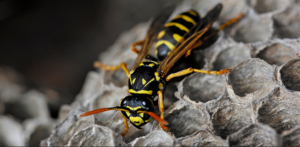
Wasp Activity Around Clyde Properties
Wasps can establish nests in surprisingly different parts of a property. Some species prefer protected cavities, while others construct visible nests attached to structures or vegetation. This is why the location of a nest cannot always be determined from a few individual sightings.
Common areas worth checking from a safe distance include:
- Roof edges and eaves
- Gaps around wall cavities
- Garages and sheds
- Fences and sheltered garden structures
- Trees, shrubs and dense vegetation
- Outdoor entertaining areas
- Protected spaces around commercial buildings
A steady flight path is often one of the clearest warning signs. If several wasps repeatedly travel towards the same roofline, wall opening, tree or ground-level area, there may be an active wasp nest nearby.
Avoid blocking that opening or approaching it closely. Wasps returning to a disturbed nesting site may become defensive, increasing the likelihood of stings.
Different Wasps Require Different Treatment
Correct identification forms an important part of professional wasp management because nesting behaviour varies between species.
The European wasp, for example, can establish concealed colonies where much of the nest cannot be seen from outside. Other species may create smaller exposed nests. Mud wasps have different nesting habits again and may construct distinctive mud cells around protected parts of buildings.
Not every flying insect around a property should automatically be treated as the same pest. Identifying what is present and finding the actual source helps determine whether wasp nest removal, targeted treatment or another approach is appropriate.
Terms such as wasp or hornet are also commonly used by property owners describing unfamiliar stinging insects. A professional inspection can clarify what is actually present before treatment begins.
Locating the Nest Before Treatment Begins
Effective wasp pest control starts with understanding where the colony is located.
A technician can assess visible insect activity, likely nesting areas and the route wasps are using to enter and leave the nest. Particular care may be required when activity appears to originate from a roof void, wall cavity or another position that cannot be safely inspected at close range by the occupant.
The assessment also helps determine how accessible the nest is. An exposed nest beneath an outdoor structure presents a different treatment situation from a colony concealed behind a small opening in a building.
This inspection-led approach avoids guesswork and lets treatment target the nesting site rather than simply reducing the number of wasps seen flying around the property.
Professional Wasp Nest Treatment and Removal
Professional treatment is designed around the species, nest position, and level of activity found at the property.
The priority is controlling the active colony. The nesting point and surrounding area are assessed before an appropriate treatment method is selected. Where wasp nest disposal is appropriate and the nest can be accessed safely, removal may form part of the overall service after the wasp activity has been dealt with.
In some situations, eliminating wasp nest activity is more complicated because the colony is inside a wall, roof space or another concealed location. Attempting to pull apart building materials or spray into an opening without identifying the nest position can create unnecessary risk.
A professional wasp exterminator can assess these circumstances and choose a more controlled treatment strategy.
Why Disturbing a Nest Can Increase the Risk
Removing a visible nest may appear straightforward, particularly when it seems small. The problem is that wasps can respond defensively when their nesting area is disturbed.
Knocking down the nest, spraying it from close range, blocking an entry hole or attempting removal without suitable preparation may place the person directly in the insects’ flight path. Wasps can sting more than once, and several insects may respond when the colony feels threatened.
Extra care is sensible when the nest is beside a doorway, children’s play area, garden path, workplace entrance or another location people regularly pass.
Professional wasp pest removal reduces the need for occupants to approach and interfere with an active nest themselves.
Wasp Control for Homes and Commercial Premises
Wasp problems are not limited to backyards. Colonies can affect houses, rental properties, offices, workshops, shops and other commercial environments where nesting opportunities and access to outdoor areas exist.
For households, the concern is often activity close to entrances, gardens, sheds or entertaining spaces. At a commercial property, repeated wasp activity may interfere with staff, customers, deliveries or outdoor work areas.
Our residential and commercial wasp control services focus on the actual source of the infestation. This provides a more useful solution than repeatedly killing individual insects while an established colony continues operating nearby.
Anyone searching online for wasp pest control near me should look for a service that assesses the nest location and activity before deciding how it should be treated.
Steps to Take After Finding Wasp Activity
Keep a safe distance from the suspected nesting site and observe the insects without standing in their flight path.
Avoid striking the nest, spraying it at close range or sealing an opening while wasps are actively travelling through it. Keep children and pets away from the immediate area where possible, particularly if insects are entering and leaving at head height or close to a frequently used doorway.
You can also note where the wasps disappear from view. Information such as repeated activity around one section of an eave or fence can help during an inspection.
When there is frequent traffic, a visible nest or aggressive behaviour, arranging professional wasp nest treatment is the more appropriate next step.
Reducing Future Wasp Nesting Opportunities
No property can be made completely unattractive to flying insects, but practical maintenance can reduce some potential nesting opportunities.
Inspect accessible eaves, sheds and outdoor structures periodically for early nest development. Repair obvious gaps around the exterior where appropriate, but only after confirming that an opening is not being used by an active colony.
Keep outdoor food covered during gatherings and clean up drink spills and food scraps. Secure rubbish bins and avoid leaving sweet food residues exposed outdoors.
Regular observation also helps. A small amount of repeated wasp traffic may be easier to investigate before the nesting area becomes heavily active.
Professional Wasp Assistance in Clyde
If wasps are repeatedly appearing around your home or business, Wasps Control Melbourne can assess the activity and provide appropriate wasp control in Clyde. Whether the nest is exposed or suspected to be inside an eave, wall cavity, shed or another protected location, professional assessment helps determine the safest way forward.
For wasp removal enquiries in Clyde, call Wasps Control Melbourne on 03 9021 3738.
We also service nearby areas including Chadstone, Chelsea, Chelsea Heights, Cranbourne, Frankston, Berwick, and Ashwood.
Frequently Asked Questions – FAQs
Repeated wasp movement towards the same location is a strong indication of nearby nesting activity. Watch from a safe distance for insects entering an eave, wall gap, shed, tree or another protected area. You do not need to see the actual nest for a professional inspection to investigate the source.
Yes, concealed nests can be professionally assessed and treated, although physical removal is not always approached in the same way as an exposed nest. The technician first needs to determine where the colony is located and how the wasps are accessing it before deciding on the appropriate wasp nest removal or treatment method.
It is generally better not to seal an opening while an active colony is using it. Wasps may become agitated or seek another route when their normal entrance is blocked. The activity should first be assessed and treated appropriately before any potential entry point is closed.
Professional assistance is advisable when you find an active nest, notice frequent wasp traffic from one location or cannot safely identify where the insects are nesting. It is especially important to avoid approaching nests positioned close to entrances, walkways, outdoor living spaces or other frequently occupied areas.
Potential nesting sites include roof edges, eaves, wall cavities, sheds, garages, fences, trees, shrubs and sheltered outdoor structures. Some nests are clearly visible while others can remain concealed, with only the wasps’ entry and exit movements revealing where the colony is located.
Usually not if an active colony is nearby. Individual wasps seen around the property may simply be workers travelling between their nest and food or water sources. Effective wasp pest control focuses on locating and treating the source of the activity rather than only dealing with insects seen in the open.
Keep rubbish bins closed, remove outdoor food residues and regularly inspect accessible eaves, sheds and garden structures for developing nests. Building gaps can also be repaired where practical once you are certain there is no active nest inside. Early investigation of repeated wasp activity can prevent occupants from accidentally disturbing an established colony.