


Wasp Removal & Wasp Control in Dandenong
Wasps around a home or workplace can quickly become more than an occasional outdoor nuisance. Repeated activity around eaves, rooflines, sheds, fences, gardens or wall openings may indicate that a colony has established itself nearby. Professional wasp removal in Dandenong helps identify where the activity is coming from and determines the safest way to manage the problem.
At Wasps Control Melbourne, treatment is tailored to the type of pest, the nest location, and the level of activity around the property. Whether wasps are appearing around a residential backyard, commercial premises, garage or outdoor entertaining area, locating the source is an important first step.
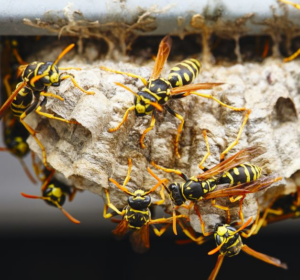
Common Wasp Nest Locations in Dandenong
Wasps can establish nests in places that provide shelter from weather and disturbance. Some nests are visible, while others remain concealed inside structural spaces.
Around residential and commercial properties, activity may be found near:
- roof spaces and eaves
- wall cavities and gaps around buildings
- sheds and garages
- fences and sheltered outdoor structures
- trees, shrubs and garden areas
- decks and patios
- cracks and protected crevices
- ground-level openings and sheltered soil
Different species have different nesting habits. A European wasp, for example, may establish a colony in a concealed location, while mud wasps commonly create distinctive mud-based nesting structures in protected areas.
Seeing one wasp does not necessarily mean there is a colony on the property. However, repeatedly seeing wasps travelling in the same direction or entering and leaving one particular opening can indicate that a closer inspection is needed.
Signs of Active Wasp Activity
An active nest is often identified by regular flight activity rather than by seeing the nest itself.
Watch for wasps repeatedly entering a hole in an exterior wall, disappearing beneath roofing materials, moving into garden areas or travelling around the same section of a shed or garage. A noticeable increase in wasps around food, bins or outdoor spaces may also indicate nearby nesting activity.
Do not block an entrance if you suspect a colony is inside a wall or roof cavity. Preventing wasps from using their established entry point does not necessarily eliminate the colony and may cause them to seek another route.
A professional wasp exterminator can assess the activity, identify likely nesting areas, and recommend treatment suited to the location.
Professional Wasp Nest Treatment and Removal
Effective wasp nest removal starts with understanding where the wasps are nesting and how they are accessing the site.
A professional inspection generally considers visible wasp activity, entry and exit points, surrounding structures and possible nesting locations. Identifying the species may also help determine the most suitable treatment approach.
Treatment is then directed towards controlling the colony rather than simply dealing with individual wasps flying around the property.
Where physical nest removal is appropriate, it may be completed after the colony has been controlled. In other situations, particularly where nests are concealed inside structural cavities, the treatment approach may differ.
Professional wasp nest disposal also helps prevent a removed nest from being left in a location where people or pets may come into unnecessary contact with it.
Safe Management of Wasp Nests
Attempting to eliminate an active nest without understanding the colony’s location can expose people to unnecessary stings.
Wasps may defend their nesting area when disturbed. Unlike honey bees, many wasps are capable of stinging repeatedly. Trying to knock down a visible nest, spray an inaccessible cavity, or interfere with a nest entrance can increase activity around the immediate area.
The risk can be greater when the nest is:
- above normal reach
- inside a roof or wall
- close to an entrance or walkway
- near children or pets
- located around an occupied workplace
- surrounded by frequent wasp traffic
If you are uncertain whether you are dealing with a wasp, bee, hornet or another flying insect, identification should come before treatment.
Wasp Pest Control for Residential and Commercial Properties
Residential properties can experience wasp problems around backyards, verandahs, gardens, rubbish areas and exterior building cavities. A nest close to frequently used outdoor spaces can make everyday activities difficult.
Commercial properties have different considerations. Wasps around entrances, outdoor staff areas, storage spaces or places where food and waste are handled can interfere with normal operations.
Professional wasp pest control considers how the property is used as well as where the colony is situated. The objective of wasp pest removal is to address the source of recurring activity while reducing unnecessary disturbance around the site.
People searching for wasp pest control near me should look for a service that investigates the cause of the activity rather than treating every flying wasp as an isolated problem.
Immediate Steps After Discovering a Wasp Nest
Keep away from the nesting area and avoid disturbing it.
Do not strike the nest, poke objects into an entrance, or attempt to close off an opening while wasps are actively using it. Keep children and pets away from the immediate area wherever practical.
You can observe the activity from a safe distance and note where wasps appear to be entering or leaving. This information may assist during the inspection.
Professional assessment is particularly worthwhile when the nest is difficult to access, activity is increasing, or wasps are appearing close to doors, paths or other frequently occupied areas.
Wasp Prevention Around the Property
No property can be made permanently resistant to wasps, but several practical measures can make an area less attractive.
Keep outdoor bins properly closed and clean up food scraps promptly. Fallen fruit should be collected rather than left beneath trees, while pet food should not remain outside unnecessarily.
Regularly inspect eaves, sheds, garages and sheltered outdoor areas for developing nests. Maintaining gardens and removing unnecessary debris can also make it easier to notice new activity.
Gaps around structures should be assessed carefully. Any sealing work should only occur once you are confident there is no active colony inside the cavity.
These steps form part of sensible ongoing wasp management rather than replacing professional treatment when a colony is already established.
Professional Wasp Control in Dandenong
Professional assistance should be considered when wasps are repeatedly using the same location, an active nest is visible, the nest cannot be safely accessed, or the insects are creating a risk around regularly occupied areas.
Wasps Control Melbourne can assess suspected nesting activity and recommend an appropriate approach to wasp control in Dandenong, including professional nest treatment where required.
Arrange Professional Wasp Removal in Dandenong
If you have discovered an active nest or are seeing persistent wasp activity around your property, contact Wasps Control Melbourne for professional service. Or contact us for professional wasp removal in Dandenong. An inspection can help identify the source of the problem and determine an appropriate course of action for your home or commercial premises. For enquiries, call on 03 9021 3738.
We also service nearby areas including Doncaster, Richmond, Chelsea, Epping, Chelsea Heights, Ringwood, Craigieburn, Berwick, Clyde, and Camberwell.
Frequently Asked Questions – FAQs
Repeated wasp traffic around one particular area is one of the clearest signs. You may notice wasps regularly entering a roof gap, wall opening, shed, tree or ground-level cavity. The nest itself may remain hidden, so professional inspection can help determine where the activity originates.
Yes. A nest does not always need to be fully visible before it can be assessed. Wasps entering and leaving wall cavities, roof spaces, or other structural gaps can provide clues about the nest location. Treatment will depend on accessibility, species, and how the colony is positioned within the property.
DIY removal can be risky, particularly when an active colony is disturbed. Wasps may become defensive around their nesting area and can sting repeatedly. Professional wasp nest removal is advisable when the nest is active, concealed, difficult to reach, or situated close to regularly occupied spaces.
A European wasp colony can become a concern when it establishes a nest close to people, pets, or frequently used areas. Regular activity around food, rubbish, gardens, or structural openings may indicate a nearby colony. Avoid following wasps into confined spaces or disturbing a suspected nest entrance.
The priority is identifying where the wasps are coming from. The technician assesses activity and likely nesting locations before determining an appropriate treatment method. The objective is to control the colony at its source, with physical nest removal considered where it is practical and appropriate.
Reduce food sources, keep rubbish bins closed, remove fallen fruit, avoid leaving pet food outdoors and regularly inspect sheltered areas around your property. These measures cannot guarantee that another colony will never appear, but they can reduce conditions that encourage wasp activity and help detect new nests earlier.