


Wasp Removal & Wasp Control in Doncaster
Wasps can become a serious concern when they begin nesting close to entrances, gardens, rooflines, outdoor entertaining areas, or other frequently used parts of a property. Professional wasp removal in Doncaster focuses on locating the source of the activity, identifying the type of wasp involved, and treating the nest appropriately rather than simply dealing with individual insects.
Wasps Control Melbourne provides wasp control in Doncaster for residential and commercial properties where wasp activity is persistent, a wasp nest has been identified, or the nesting area is difficult to access safely.
Wasp Nest Locations Around Doncaster Properties
Properties with gardens, trees, sheds, fencing, roof spaces and sheltered exterior areas can provide suitable places for wasps to establish nests. Some nests are easy to see, while others may remain hidden inside wall cavities, roof voids or ground-level openings.
Wasps may also be drawn to areas where food, sweet drinks, pet food, fallen fruit or open rubbish is available. Around homes, this can make patios, backyards and entertaining spaces uncomfortable to use.
Common nesting locations may include:
- beneath eaves and roof edges
- inside wall cavities
- sheds and garages
- under decks and outdoor structures
- trees, shrubs and fence lines
- protected corners around buildings
- roof spaces
- sheltered ground areas
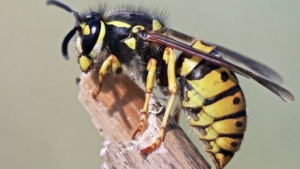
Different species behave differently. A European wasp may establish a concealed colony with regular traffic entering and leaving one point, while mud wasps often build distinctive mud structures on sheltered surfaces.
Signs of an Active Wasp Nest
A visible nest is not always the first sign of a problem. In many cases, repeated flight activity provides the strongest clue.
If wasps repeatedly disappear behind cladding, under roofing, into a wall gap, or through the same opening near a shed or garden structure, there may be an active colony nearby.
Other signs can include a noticeable increase in wasps around one part of the property, regular activity around food or waste areas, or insects becoming defensive when people approach a particular location.
Avoid blocking the entry point if you suspect the nest is concealed. Closing the opening while the colony is still active can cause wasps to seek another route, including through other gaps in the structure.
Professional Wasp Nest Treatment in Doncaster
Professional treatment begins by assessing where the wasps are active and how they are accessing the nesting site.
The inspection may consider flight paths, entry points, visible nest material, the surrounding structure and whether the colony appears to be above ground, below ground or inside a cavity.
Once the likely nest location has been identified, an appropriate wasp nest treatment can be selected. The aim is to address the colony at its source rather than treating wasps individually as they appear.
Where practical and appropriate, physical wasp nest removal may follow treatment. In other cases, particularly where a colony is positioned deep within a cavity, direct nest removal may not be possible or necessary.
Professional wasp nest disposal is also important when a nest can be physically removed, helping avoid unnecessary contact with residual nest material.
Safe Wasp Nest Removal and Treatment
Trying to remove an active nest without understanding how the colony is positioned can increase the likelihood of stings.
Wasps may respond defensively when their nesting area is disturbed. Knocking down a nest, spraying into an entry point, using tools around a roof cavity, or attempting to eliminate wasp nest activity from close range can cause sudden movement around the area.
The risk is higher when the nest is:
- positioned above normal reach
- inside a roof or wall
- close to a doorway or walkway
- near children or pets
- located beside an outdoor seating area
- difficult to see clearly
- surrounded by heavy wasp traffic
If you are unsure whether the insects are wasps, bees, or another flying species such as a wasp hornet, professional identification should come before treatment.
Residential Wasp Pest Control
Residential wasp pest control is usually required when a colony is close to areas that people regularly use.
Backyards, balconies, pergolas, garden paths, garages and entry points can all become affected if wasps establish a nest nearby. Regular activity can make routine tasks such as gardening, putting out rubbish or spending time outdoors more difficult.
A professional wasp exterminator can inspect the site, determine the likely nesting location and recommend a practical treatment plan suited to the property.
The purpose of wasp pest removal is not simply to reduce visible insects temporarily. Effective control should focus on the active colony and the conditions allowing wasps to remain in the area.
Commercial Wasp Pest Control
Commercial properties can also experience wasp problems, particularly around entrances, loading areas, staff break spaces, waste zones or outdoor customer areas.
Persistent activity can interfere with staff, customers and normal use of the premises. A commercial wasp pest control service considers both the location of the nest and how people move around the site.
Businesses searching for wasp pest control near me should look for a service that assesses the property first rather than treating visible insects without identifying the source.
Managing a Newly Discovered Wasp Nest
The safest immediate step is to keep away from the nesting area and avoid disturbing it.
Do not strike the nest, spray directly into an unknown cavity, or seal an entrance while wasps are still actively using it. Keep children and pets away from the area wherever possible.
If it can be done safely, observe the activity from a distance. Noting where wasps enter, leave, or gather can help identify the nesting site during an inspection.
Professional assistance is especially important when the nest cannot be reached safely, is concealed inside a structure, or is located close to areas that cannot easily be avoided.
Wasp Prevention and Property Maintenance
Preventative measures can help make a property less attractive to wasps, although they cannot guarantee that another colony will never establish nearby.
Keep outdoor bins closed and clean up food scraps after eating outside. Fallen fruit should be removed from garden areas, and pet food should not remain outdoors longer than necessary.
Regularly check eaves, sheds, garages, and sheltered structures for early nest development. Maintaining gardens and clearing unnecessary debris can also make developing nests easier to spot.
Building gaps can sometimes be sealed as part of ongoing maintenance, but only after active wasp activity has been properly dealt with.
Good wasp management combines sensible prevention with professional treatment when a colony has already become established.
Professional Wasp Control Services in Doncaster
Professional wasp control in Doncaster should be considered when wasps repeatedly return to the same location, a nest is visible, activity is increasing, or the nesting area is difficult to approach safely.
Early assessment can help determine whether the problem involves a small developing nest or a more established colony hidden within a structure.
Arrange Wasp Removal in Doncaster
If you are seeing regular wasp activity or have identified a nest around your property, contact Wasps Control Melbourne for professional service. Or contact us for professional wasp removal in Doncaster. An inspection can help determine the nesting location and the most suitable approach for treatment and removal. For enquiries, call on 03 9021 3738.
We also service nearby areas including Bulleen, Doncaster East, Dandenong, Richmond, Chelsea, Epping, Chelsea Heights, Ringwood, Box Hill North, Blackburn North.
Frequently Asked Questions – FAQs
Repeated traffic to the same opening is a strong sign of possible nesting activity. Wasps may enter roof gaps, wall cavities, sheds, trees, or ground-level openings. If the activity continues over several days or becomes more concentrated, an inspection can help determine whether an active nest is present.
Yes. Wasps can establish colonies in concealed structural spaces where the nest itself cannot be seen from outside. Regular movement through a small gap may be the only visible sign. Professional assessment can help trace the entry point and determine how the colony should be treated.
Yes. In some cases, the colony can be treated even when the full nest is hidden. The treatment approach depends on where the wasps are entering, how accessible the area is, and the type of nesting activity present. Physical removal is only carried out when it is appropriate and practical.
Yes. European wasps are social wasps that can form established colonies and may nest in concealed locations. Their activity can become noticeable around food, rubbish areas, and outdoor spaces. Because they may defend their nest, disturbing a suspected colony is not recommended.
No, not while the colony is active. Sealing an entry point can trap wasps inside or cause them to search for another exit. This is particularly important when the nest is inside a wall or roof space. Treatment should occur before permanent sealing or repair work is completed.
Keep bins closed, remove fallen fruit, clean food residue from outdoor areas and inspect sheltered parts of the property regularly. Check sheds, eaves, garages and garden structures during warmer periods when wasp activity is more noticeable. Early detection can make a developing problem easier to manage.