


Wasp Removal Greenvale
With its mix of modern homes and bushland surrounds, Greenvale can attract wasps looking for the perfect nesting spot. These pests are known to build nests under eaves, in garden walls, or even underground posing risks to children, pets, and anyone enjoying time outside. If you’ve seen a nest or increased wasp activity around your property, it’s best to act quickly. Wasps Control Melbourne offers expert wasp nest removal in Greenvale, ensuring complete removal and helpful advice on how to prevent wasps from returning.
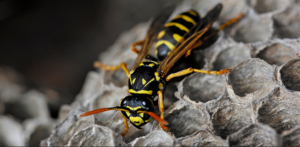
Why Wasp Infestations are Prevalent in Greenvale?
Greenvale is characterised by its newer, large family homes and its location on the edge of the urban-rural fringe. This “best of both worlds” geography is unfortunately highly attractive to various wasp species that thrive in open, windy environments. Large Greenvale allotments often feature:
- Stone Gabion Walls and Landscaping: These popular design features offer numerous deep cavities that European Wasps use to stay warm and protected.
- Large Modern Sheds and Alfresco Areas: Spacious outbuildings provide the necessary shelter for paper wasps to build away from the afternoon sun.
- Native Grasslands and New Plantings: The surrounding rural plains and young garden gums provide ample wood pulp for wasps to construct their papery hives.
The transition from open paddocks to residential comfort makes Greenvale a primary target for scouting queens. Once they settle into a porch or fence line, the population can explode into a colony of thousands within weeks.
Types of Wasp Species Found in Greenvale
- European Wasp: With many modern homes and courtyards, Greenvale sees these wasps nesting in BBQ areas and roof cavities. Their scavenging nature makes them a persistent threat during outdoor meals, as they are drawn to proteins and sugary drinks, often becoming aggressive when competing for food.
- Yellow Jackets: These ground-nesting wasps are drawn to lawn edges and mulch beds, defending their territory aggressively against any perceived intrusion. Because their nests are often hidden just below the surface, they pose a significant risk to children playing in the yard or residents using lawn mowers and edge trimmers.
- Common Wasp: You might find them in the crevices of pergolas or up among tree branches during the warmer months when their colonies are most active. They are prolific builders that use chewed wood pulp to expand their nests, which can quickly grow to a size that causes structural concern and significant distress for homeowners.
- Native Paper Wasp: Known for their smaller nests, they’re commonly found in decorative plants near patios and tucked under the protection of verandah roofs. While they are generally less aggressive than the European variety, they will deliver a painful sting if their umbrella-shaped nest is accidentally disturbed during gardening or cleaning.
- Sand Wasps: Harmless and solitary, they nest in sandy patches near driveways or retaining walls where the soil is loose and easy to excavate. These wasps are actually beneficial to the local ecosystem, as they focus their energy on hunting flies and pollinating garden flowers rather than seeking out human interaction.
- Mud Nesting Wasps: Their telltale mud tubes can be seen near garden taps, under eaves, or around window awnings where they have easy access to moisture. Though their hardened earthen structures can be unsightly on your brickwork, these wasps are solitary and very unlikely to sting unless they are physically handled.
- Tree Brown Paper Wasp: These wasps prefer shady trees in backyards, building broad nests hidden by leaves that provide natural camouflage from predators. They are a common sight in Greenvale’s established native trees, but they can become a hidden hazard for anyone performing seasonal tree pruning or general yard maintenance.
- White-Faced Brown Paper Wasp: Frequently seen near carports or bins, they are territorial around their small nests and will actively monitor any movement in their immediate vicinity. Their choice of nesting sites often brings them into direct contact with daily household activities, making them a common cause of accidental stings in suburban outdoor spaces.
Our Wasp Control Process
- Inspection
Our inspection covers expansive sheds, stone gabion walls, and alfresco dining areas. We focus on scanning perimeter fences and newer brickwork where scouting queens often find gaps to establish their first summer colonies.
- Species Identification
Identifying whether you’re dealing with common wasps or paper wasps allows us to adjust our strategy based on their nesting preferences and aggression levels. This ensures we use the most effective wasp removal technique while keeping residents in these large family homes safe from unexpected swarms.
- Targeted Treatment
Using safe chemical treatments, we target both exposed and hidden nests without risking harm to your pets or ornamental plants. Our professional-grade solutions are specifically chosen for the windy, open environments of Greenvale to provide a rapid and thorough knockdown of the entire wasp colony.
- Nest Removal
Once wasps are neutralised, our team will carry out wasp removal from areas like pergola rafters or behind garage vents, clearing the site fully. Removing the physical nest is a crucial step to prevent other pests from being attracted to the remains and to stop secondary queens from moving in.
- Prevention Advice
We suggest maintaining sealed bins, checking attic spaces regularly, and securing outdoor food sources to avoid reinfestation. Our team also provides tips on sealing gaps in modern masonry and securing vents to ensure your Greenvale property remains a safe, sting-free sanctuary for your children.
Wasp and Wasp Nest Removal Price
In Greenvale, wide open properties and manicured gardens can become prime real estate for wasps. Nest removal, while crucial, doesn’t have to cost a fortune. Our expert wasp removal price starts from $150. This includes careful assessment, safe elimination, and long-term prevention strategies. The price is small compared to the risk of allergic reactions or accidental encounters near outdoor living zones. Don’t rely on harsh chemicals or trial-and-error methods choose trained specialists who understand Greenvale’s wasp hotspots and use safe, proven techniques.
The Risks of DIY Wasp Removal in Greenvale
We strongly advise Greenvale residents against DIY methods for several critical reasons:
- Open-Air Provocation: In the open, windy landscapes of Greenvale, alarm pheromones can travel quickly, alerting the entire colony to your presence. Without professional protective gear, you are exposed to a rapid, coordinated attack across your wide-open backyard or alfresco area.
- Complex Modern Cavities: Modern Greenvale homes often feature intricate rooflines and stone gabion landscaping that provides deep, inaccessible voids. Standard DIY treatments lack the industrial pressure required to reach these hidden cavities, often resulting in a wasted effort and a very angry colony.
- Wind-Shift Dangers: High winds are common in Greenvale’s elevated positions, making the application of domestic sprays unpredictable. Attempting to spray a nest in gusty conditions can lead to the chemical blowing back onto you, your pets, or your expensive outdoor furniture.
- Queen Survival Risks: If your DIY method fails to neutralise the queen hidden deep within a large shed or wall void, the colony will bounce back within days. These “survivor” colonies are often much more aggressive, making the eventual professional removal more complex and urgent.
Is your Greenvale property attracting unwanted wasp attention? Whether it’s under the eaves or near the outdoor BBQ, stings are no joke. Let Wasps Control Melbourne take the risk off your hands with affordable and professional removal. Call 03 9021 3738 to schedule a visit and stay protected.