


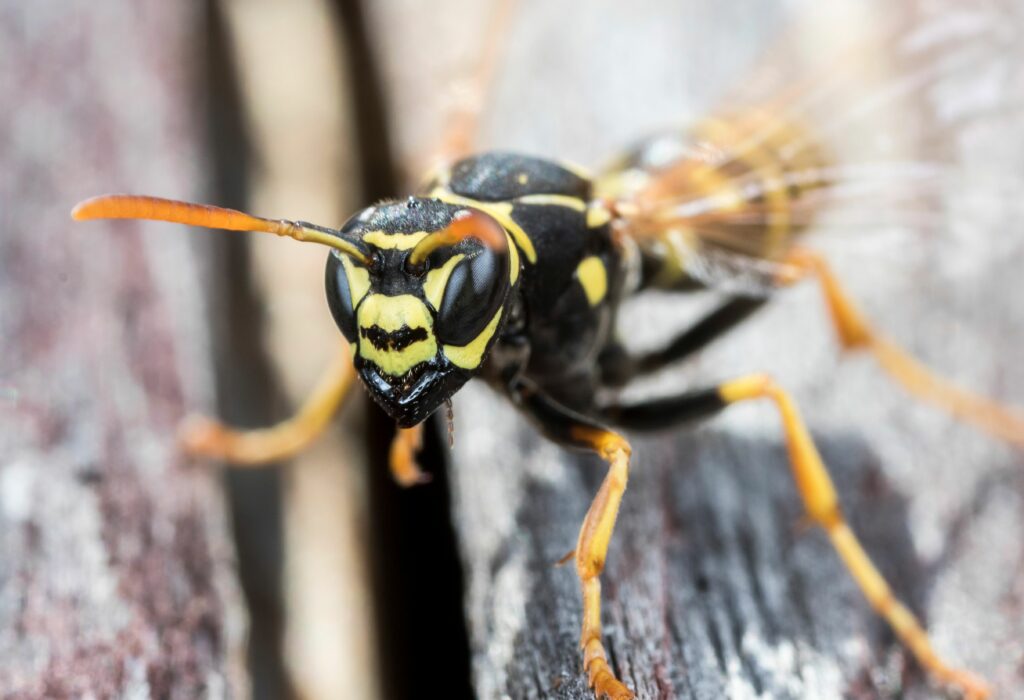
Spring is when Melbourne wasps start rebuilding after winter, and by summer their colonies can grow into a real problem. A few weeks of warm weather is all it takes for a small nest to turn into hundreds of aggressive insects around your home. That’s why wasp removal in Melbourne searches spike every year around this time, as homeowners try to get ahead of the season. The good news is that a bit of spring preparation goes a long way. This checklist covers the practical steps you can take now to keep your property wasp-free before the weather warms up.
Why Spring Is the Best Time to Act
Only young, fertilised queens survive winter. Each one wakes up in spring looking for a sheltered spot to start a brand-new colony, which means the nests you’ll find now are still small. At this stage, they’re far easier and safer to manage than a mature summer nest.
Spring inspections also catch problems before they spread indoors. Wasps often build nests in wall cavities, roof spaces or garden sheds, so early detection saves you from a bigger headache later in the season.
Acting now also reduces risk for your family. Smaller nests mean fewer wasps and a lower chance of anyone getting stung while doing garden work, renovations or simply relaxing outdoors. A colony that goes unnoticed through spring can easily grow to hundreds of workers by the time summer arrives, which makes removal a much bigger job.
Melbourne’s weather also plays a part. Mild spring days encourage wasps to become more active, so this is exactly the time they’re out scouting new nesting sites around your home.
Inspect Your Property for Early Nest Activity
Walk around your property every couple of weeks during spring. Look under eaves, along fence lines, inside sheds and around outdoor furniture. Wasps favour sheltered, quiet spots where they won’t be disturbed.
Check gutters, roof voids and wall cavities too, since these are common hiding spots that are easy to miss. A torch and a bit of patience usually does the trick.
If you notice increased wasp activity near a particular spot, there’s likely a nest nearby, even if you can’t see it directly.
- Eaves, decks and patios
- Garages and sheds
- Bird boxes and mailbox stands
- Trees, bushes and fallen logs
- Unused outdoor grills
Seal Entry Points Around Your Home
Wasps look for small gaps to build nests inside wall cavities or roof spaces. Check your home’s exterior for cracks, holes or gaps around windows, vents and eaves, then seal them with appropriate filler.
Damaged flyscreens are another common entry point. Repair or replace torn screens on doors and windows before the weather warms up.
Don’t forget weep holes and roof vents. These need airflow, so use proper vent guards rather than sealing them completely, which can cause other issues.
Taking these steps early reduces the chance of wasp inside house situations later in the season, when nests are much harder to reach safely.
Keep Your Garden and Outdoor Areas Less Attractive to Wasps
Wasps are drawn to food and shelter, so a tidy garden is one of your best defences. Clear fallen fruit, food scraps and pet food promptly, especially if you eat or entertain outdoors.
Trim overgrown trees and shrubs regularly. Dense foliage gives wasps a sheltered place to build, particularly early in the season when nests are still small.
Keep bins tightly sealed and positioned away from doors and windows. Woodpiles should also be stacked off the ground and away from the house.
A few small habits, kept up consistently through spring, make your property far less appealing to a colony looking for a new home. It’s also worth checking outdoor entertaining areas after every gathering, since dropped food and sugary drink spills are exactly what draws wasps in from neighbouring gardens.
Know the Difference Between a Few Wasps and a Growing Nest
Seeing the odd wasp in your garden doesn’t necessarily mean there’s a nest close by. Wasps travel to forage, so a couple of visitors is often normal, especially near flowering plants.
Consistent activity in one area, however, is a different story. If you keep seeing wasps entering and leaving the same gap or structure, that’s a strong sign of a wasp and hornet nest forming nearby.
Paper nests often appear near gutters, porches or tree branches, while ground nests are common in garden beds or under decking. Mud dauber nests are smaller and tubular, tucked into cracks and crevices around the home. Knowing what to look for, and where each type tends to appear, helps you act well before the colony has a chance to grow.
When to Call a Professional
Once you’ve spotted signs of a nest, it’s best to leave the removal to trained experts. Wasps release a pheromone when threatened that signals nearby wasps to attack, so disturbing a nest yourself can be genuinely dangerous, even for a nest that looks small.
A qualified wasp exterminator has the right protective equipment and treatment methods to remove the nest safely, without putting your family or pets at risk. This matters even more if anyone in your household has a known allergy to wasp stings, as a sting can occasionally trigger a serious reaction that needs urgent medical attention.
Professional wasp pest control also targets the nest at its source, rather than just the wasps you can see flying around. This approach lowers the chance of the colony returning later in the season, and it means the problem is solved properly the first time, rather than becoming an ongoing frustration.
DIY sprays and traps can sometimes help with the odd stray wasp, but they rarely deal with an established nest hidden inside a wall cavity or roof space. A trained technician knows exactly where to look and how to treat these harder-to-reach areas safely.
Bringing It All Together
Spring is the ideal window to get ahead of wasp activity before Melbourne’s warmer months arrive. Regular inspections, sealed entry points, a tidy garden and knowing the early warning signs all help keep your property safer through summer. When you do spot signs of a nest, prompt action makes the removal process quicker, safer and far less stressful for everyone involved.
Get Expert Help This Spring
If you’ve spotted wasp activity on your property, don’t wait for the colony to grow. The team at Wasp Control Melbourne uses eco-friendly, family-safe methods to carry out thorough wasp nest removal and eliminating wasp nest problems for good. We provide prompt, professional service across Melbourne, including Brunswick, Mickleham, Northcote, Pascoe Vale, Glen Waverley and surrounding suburbs. Searching for wasp nest removal near me? Give us a call on 03 9021 3738 for a no-obligation quote, and we’ll help you enjoy a safer, wasp-free property this summer.