


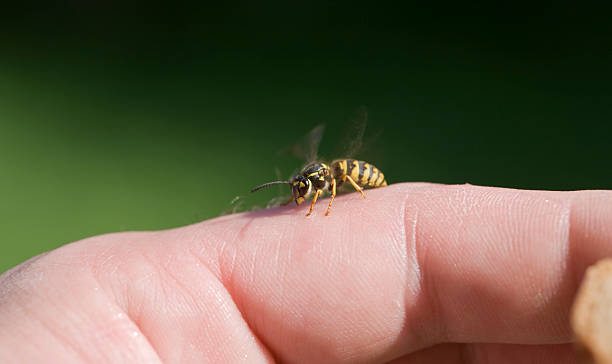
Most people assume they would know if they were allergic to wasp stings. After all, a bad reaction should show up the first time. Not always, because a sting that left only a sore, red spot last summer can prepare your body for a much stronger reaction next time.
That is why this question matters for every household, especially if you are looking for a wasp exterminator in Melbourne after finding a nest near the clothesline or the kids’ cubby house. Stings are common in backyards, gardens and sheds across the city.
Let’s look at how hidden allergies develop, what to watch for and what to do if a reaction starts.
How a Wasp Allergy Can Develop Without Warning
Allergies don’t always appear on the first encounter. Your immune system can become sensitised to wasp venom after a sting that seemed harmless. You might have felt a sharp pain and a bit of swelling, then forgotten about it by the next day.
Behind the scenes, your body may have started producing antibodies to the venom. The next sting can then trigger a much stronger response, sometimes within minutes. That second or third sting is often the one people remember.
This is why a history of mild reactions doesn’t guarantee you’re in the clear. It also means a child, a visitor or an older family member could be sensitised without anyone realising. Many people with a serious venom allergy say their earlier stings were nothing out of the ordinary.
Wasps and bees are easy to confuse, but their venoms differ. Being allergic to one doesn’t always mean you’re allergic to the other.
Normal Reactions, Large Local Reactions and Allergic Reactions
A normal sting reaction stays close to the sting site. You can expect sharp pain, a red lump, mild swelling and itching for a day or two. Most people manage this at home with a cold pack and basic first aid.
A large local reaction looks more dramatic. The swelling spreads well beyond the sting and can cover a whole forearm or lower leg over a day or two. It is uncomfortable but usually carries a low risk of becoming a severe allergy, so mention it to your doctor.
A true allergic reaction is different because it involves the whole body, not just the skin near the sting. That is the one that needs urgent help. Knowing the difference lets you respond calmly instead of guessing.
Location matters too. A sting in the mouth or throat can cause dangerous swelling quickly, so treat it as an emergency even if the person otherwise seems fine.
Warning Signs of a Severe Allergic Reaction
A severe allergic reaction, called anaphylaxis, can start within minutes of a sting. It can look like a bad sting at first, so never brush it off if the person starts to look unwell. Watch for signs such as:
- Hives or an itchy rash spreading away from the sting
- Swelling of the face, lips or tongue
- Difficulty breathing, wheezing or a hoarse voice
- Dizziness, pale skin or feeling faint
- Vomiting or stomach pain
Young children may become pale, floppy or unusually sleepy. Any of these signs after a sting is an emergency, so don’t wait to see if it settles. The sooner help arrives, the better the outcome.
Symptoms can also return hours later. That is why a medical check matters even if the person seems better.
What to Do Straight Away If Someone Reacts
Call triple zero (000) and ask for an ambulance. Lay the person flat, or let them sit if breathing is hard. Don’t let them stand or walk, even if they feel better.
If they carry an adrenaline autoinjector, use it straight away when signs of anaphylaxis appear and follow the device instructions. Note the time and stay with them until paramedics arrive. If they stop breathing or become unresponsive, start CPR and follow the triple zero operator’s instructions.
Move everyone away from the area, because wasps can sting more than once. For a mild reaction, wash the spot with soap and water, apply a cold pack and keep an eye on how things develop.
This is general information only and doesn’t replace medical advice.
Getting Checked and Planning Ahead
If you’ve been stung and noticed anything beyond pain and swelling at the sting site, see your GP. They can refer you to a clinical immunologist or allergy specialist for testing. Skin tests and blood tests can show whether you’re sensitised to wasp venom.
A specialist can also explain your options, including an anaphylaxis action plan and venom immunotherapy where it suits. Ask whether you should carry an adrenaline autoinjector, particularly if you spend a lot of time outdoors. Not everyone who reacts needs ongoing treatment, but only a specialist can tell you where you stand.
Our technicians often hear from homeowners who only start asking these questions after a close call in the yard. Having the conversation early means everyone in the house knows what to do if a sting goes badly.
Share any action plan with family, neighbours and anyone who helps look after your kids.
Reducing Your Chances of Being Stung at Home
The best way to avoid a reaction is to avoid being stung. Most stings happen when someone disturbs a nest without realising, often while mowing, gardening or clearing out a shed. Nests tend to hide in wall cavities, roof spaces, under eaves and in underground burrows.
A professional wasp inspection can find those hidden nests before anyone gets hurt. It is especially useful if someone in your home has already had a strong reaction to a sting.
Please don’t spray or knock down a nest yourself. Trained technicians carry out safe wasp removal with the right protective gear, and good wasp control also looks at what is attracting wasps to your yard in the first place.
Simple habits help too. Keep bins closed, cover food and drinks outdoors, pick up fallen fruit and wear shoes on the lawn. If you do find a nest, call a wasp exterminator in Melbourne rather than risking a sting.
Check your property every couple of weeks in warmer months. Early nests are small and far easier to treat, so look under eaves, behind sheds and around garden beds.
If you have found a nest at home, or you are worried about how a family member might react to stings, the team at Wasps Control Melbourne is here to help. We assist homeowners and businesses across Melbourne, including Carlton, Richmond, North Melbourne, Port Melbourne, Albert Park, Southbank, Docklands, Kensington, Parkville, Collingwood, Flemington. Call us on 03 9021 3738 for a friendly chat about what you have found, and we will explain your options and arrange a visit that suits you.